
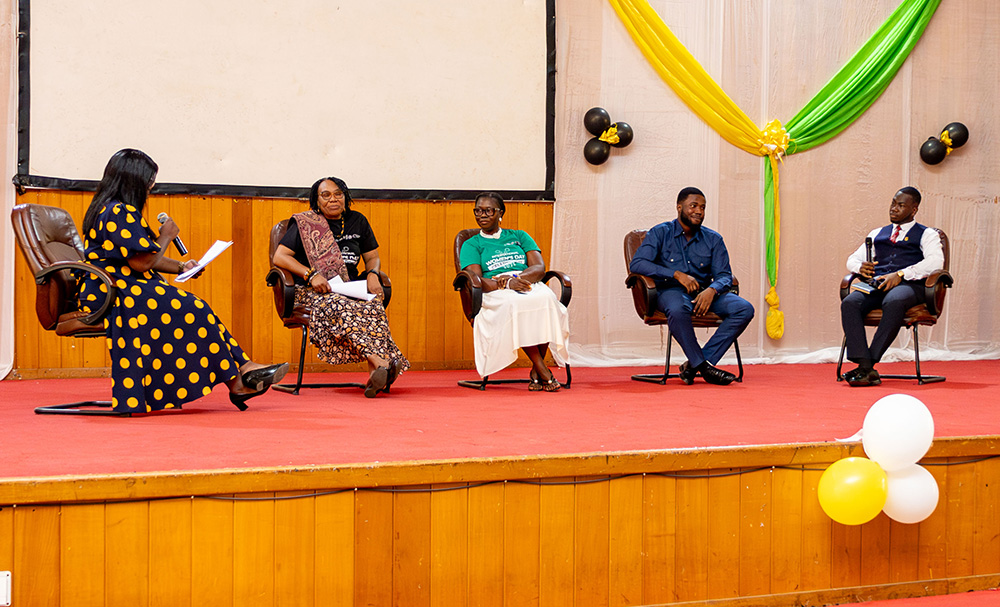
Women in Science, Technology, Engineering and Mathematics Ghana (WiSTEMGh), in collaboration with the Ghana Engineering Students Association (GESA-KNUST), the Women’s Commission of Women in Engineering (WinE), and the Science Students Association (SCISA) Women’s Commission, marked International Women’s Day with a call for stronger collaboration to advance women in STEM.
The event, held under the theme “United for Impact: Advancing Women through Collaboration,” brought together students from the College of Engineering and the College of Science, including participants from the KNUST Obuasi Campus, to promote dialogue, mentorship and partnerships.
General Secretary of WiSTEMGh, Professor (Mrs.) Mercy Badu, said advancing gender equality in STEM requires collective responsibility.
“This initiative is not just for women or men alone, it is for everyone. The challenges we face today require collective effort, and collaboration is key to finding lasting solutions,” she said.
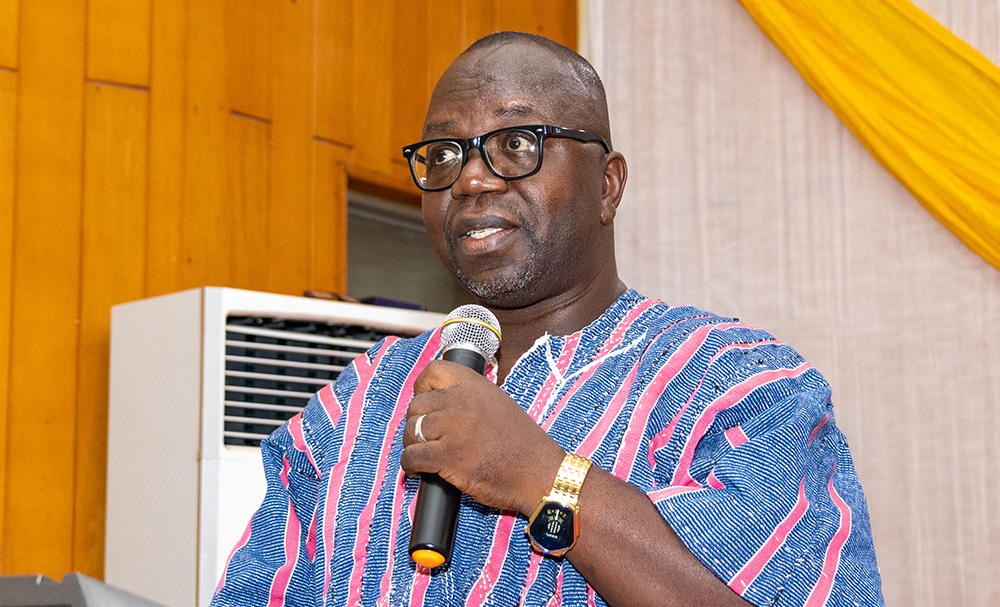
Delivering the keynote address, Professor Bright Kwakye-Awuah of the College of Science highlighted the role of unity in driving innovation and scientific progress, noting that major breakthroughs are often the result of collaborative efforts rather than individual work.
He also commended the contributions of African women in STEM, saying their impact continues to shape industries and national development.
“Women, when empowered, do not merely participate, they transform societies,” he said.
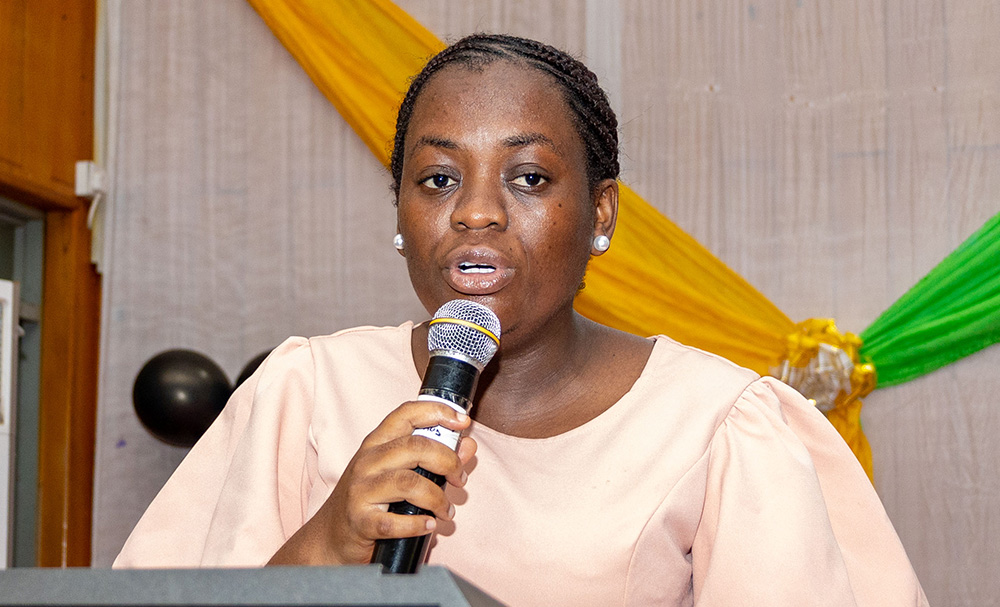
Dr. Vida Akyeampong of the College of Engineering emphasised the importance of building strong networks and support systems.
“Collaboration allows us to share opportunities, amplify each other’s work, and create resilience. None of our achievements happen in isolation,” she said.
A panel discussion on “Breaking Barriers: Addressing Gender Bias and Empowering Female Leadership in STEM” examined challenges including limited access to mentorship, leadership opportunities and professional networks.
Speaking during the session, WiSTEMGh President, Professor (Mrs.) Ibok Nsa Oduro, encouraged women to be assertive and intentional in leadership spaces.
“If you do not demonstrate your capability, people may underestimate you. You must take initiative, speak up, and position yourself confidently,” she said.
She also highlighted the importance of strategic engagement, negotiation skills and understanding workplace dynamics.
Professor (Mrs.) Mercy Badu said systemic biases, particularly in career progression, remain a concern, noting that maternity responsibilities and unequal expectations in academic output can slow advancement.
“For a long time, there were misconceptions that women in STEM could not career and family life. But today the narrative is changing, and we must continue to create opportunities and support systems that allow women to thrive,” she said.
President of SCISA-KNUST, Nana Agyemang Boateng, urged students to prioritise personal development and self-assessment.
“Understand your strengths, identify areas for growth, and invest in skills that will prepare you for the future,” he said.
Speaking on behalf of the President of GESA-KNUST, Ken Kwabena Dadzie highlighted the role of mindset and self-development among young women pursuing STEM careers.
“You need to understand yourself, your strengths and weaknesses,and be intentional about building the skills you need. Move beyond the idea of simply standing out and instead focus on building strong technical and professional skills,” he said.
He noted that limited representation of women in engineering and technical fields continues to affect confidence and participation.

The event concluded with calls for inclusive institutional policies, stronger mentorship and sponsorship structures, and increased visibility of female role models to support women in STEM.
| Story: Esther Nutsugah | Photos: Michael Kwawu |


